When making a will, much of the focus is understandably on who should inherit. However, choosing the people who will put those instructions into effect is equally important.
Executors take responsibility for administering your estate after your death. Depending on the estate, this can involve considerable work, difficult decisions, and potentially sensitive discussions between family members. Choosing someone simply because they are close to you, without considering whether they are suited to the role, can create problems later.
What do executors actually do?
An executor is appointed under a will to deal with the deceased’s estate. The executor’s responsibilities arise following death and continue until the administration of the estate is complete. If your will creates a trust, for example for young children or a life interest for a spouse, your executors will usually then act as trustees once the estate has been administered, unless your will appoints someone else. Trustee is a separate role with its own duties so consider appointing those who can take on both roles.
In practical terms, executors may need to identify and value assets, establish debts and liabilities, arrange payment of tax, apply for a grant of probate where required, collect or sell assets, settle liabilities, and ultimately distribute the estate to the beneficiaries. Executors are legally responsible for the estate’s assets during the administration period.
The administrative burden should not be underestimated. An estate might involve property to maintain or sell, investments to manage, business interests, trusts, or overseas assets. Executors may also need to communicate with beneficiaries who have different expectations about how quickly matters should progress.
Much will therefore depend on the nature of your estate. Someone perfectly capable of administering a straightforward estate may be less well suited to one involving complex assets, trusts, or the possibility of a dispute.
Common mistakes when appointing executors
One common mistake is treating the appointment as an honorary role rather than a practical one.
People frequently appoint an adult child, sibling, or close friend because they trust them. Trust is undoubtedly important, but other considerations matter. Is the person organised and financially responsible? Are they likely to have the time and willingness to deal with the estate? Will they be able to make difficult decisions objectively?
Age and location should also be considered. A person appointed many years before the will takes effect may later be elderly, in poor health, or no longer willing or able to act. Someone living overseas may still be capable of acting as executor, but their location can introduce additional practical and administrative considerations.
Appointing several family members together is not necessarily the answer either. More executors does not mean easier or quicker administration. If those appointed have very different approaches, or already have a difficult relationship, decision-making may become slower and contentious.
Executor appointments should therefore be reviewed as circumstances change. Our previous Keynote “Why your will may already be out of date” explains how an executor may over time cease to be willing or suitable to act.
Family dynamics and potential conflict
The choice of executor can become particularly important where family relationships are complicated.
Consider a parent with children from different relationships. Appointing one child as sole executor may be entirely appropriate, but it can also create suspicion if relationships between siblings are strained or if the executor is also a beneficiary.
Similar issues can arise where there is a second spouse or civil partner and children from an earlier relationship. The executor may have to administer provisions designed to balance competing interests, sometimes at an already difficult time.
This does not necessarily mean that family members should not act. Often they are the people who not only understand the deceased’s affairs best but they are also trusted implicitly. However, where conflict is foreseeable, appointing an independent executor, either alone or alongside a family member, may make administration easier.
Our previous Keynote “Common will drafting mistakes that may create problems” identifies family disharmony, blended families, trusts, and significant assets as circumstances in which professional advice is especially important.
Professional versus lay executors
There is no requirement to appoint a solicitor or other professional as executor. For many estates, a trusted relative or friend may be entirely suitable.
A lay executor also does not have to undertake every aspect of the administration personally. Professional legal, tax, or valuation advice can be obtained where necessary and it is quite usual and acceptable for a lay executor to appoint a solicitor to act on their behalf in respect of estate administration.
There are nevertheless circumstances where appointing a professional executor from the outset may offer advantages. These might include a particularly valuable or complex estate, business interests, complicated trust arrangements, overseas elements, vulnerable beneficiaries, or a significant risk of family disagreement.
Professional executors bring independence and experience, which can be valuable where difficult decisions are anticipated. A professional executor is entitled to charge reasonable fees for their time and services, and the expense will be borne by the estate.
The decision should therefore reflect the particular estate, rather than an assumption that either a family member or professional is preferable.
Why substitute executors matter
Even a carefully chosen executor may not ultimately be able to act. There can be a long period between making a will and death. An executor may die first, lose capacity, become unwell, move abroad, or simply no longer wish to take on the responsibility.
Appointing substitute executors allows the will to anticipate that possibility. Without an appropriate replacement, difficulties and additional steps may arise in establishing who can administer the estate.
Substitute appointments should therefore receive the same consideration as the first choice. They are not simply a backup: they are part of ensuring that the estate can be administered effectively.
Key takeaway
The right executor can make estate administration significantly easier for loved ones. Choosing an executor should therefore be based not only on trust, but also on their capability, availability and willingness to act, independence, and ability to deal with the particular estate and those involved.
The appointment should also be reviewed over time. A person who was the obvious choice when the will was made may not still be the right choice years later.
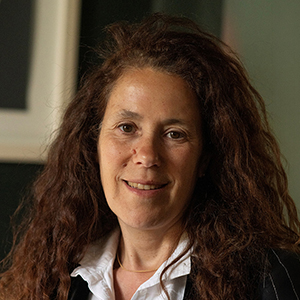
If you would like advice on choosing executors or making or updating a will, please contact Private Client partner Charlotte Pollard.
For further information please contact:
This article is for general information purposes only and does not constitute legal or professional advice. It should not be used as a substitute for legal advice relating to your particular circumstances. Please note that the law may have changed since the date of this article.