A valid will is an essential part of estate planning, but validity alone does not guarantee that an estate will be distributed as intended. Many of the disputes that arise following death are caused not by the absence of a will, but by problems with the way it has been drafted.
Even where a will is valid, unclear wording, omissions, or technical errors can create uncertainty. In some cases, these issues lead to delays, additional costs, and disputes between family members at an already challenging time.
Why drafting mistakes matter
A will must provide clarity and, unless the nature of the will is intended to be discretionary, there must be certainty. When terms are uncertain, executors and beneficiaries may be left trying to interpret what the deceased meant, often years after the will was prepared.
The consequences can be significant. Gifts may fail, assets may pass in unexpected ways, and family members may find themselves involved in disputes that could have been avoided with more careful drafting. The difficulty is that these problems often only become apparent after death, when the will may only be corrected by a deed of variation. This can be costly, must be signed within a strict timescale, and relies on residuary beneficiaries agreeing to changes
Common will drafting mistakes
- Ambiguous wording
Many inheritance disputes stem from uncertainty over what a will actually means. A seemingly straightforward phrase can sometimes give rise to very different interpretations. For example, a gift to “my children” includes natural born or adopted children, not stepchildren, and so to avoid any misinterpretations where stepchildren are intended to benefit, the children should be named. Consider also a situation where children are born after the will was signed and how to ensure they are included if this is the intention. References to a “partner” or “family home” can create similar difficulties if circumstances change over time. Likewise, a gift of “my jewellery” may appear clear on the surface, yet disagreements can arise over exactly which items were intended to be covered. Where there is room for different interpretation, disputes can quickly follow.
A thorough understanding of intention and clear and precise language is therefore essential. The less ambiguity there is, the less scope there is for disagreement later.
- Poorly drafted gifts
Problems frequently arise when gifts have not been defined clearly or where the will fails to account for future changes in circumstances. A common example is a gift of a specific property that is subsequently sold before death. Similarly, a gift of “my property” may create uncertainty if the person making the will owns more than one property.
In practice, careful drafting is not simply about describing an asset accurately; it is also about considering what might happen if circumstances change and ensuring the will continues to operate as intended.
- Failing to deal with substitute beneficiaries
Another issue often seen in practice is the absence of substitute beneficiary provisions. A will may leave a gift to a child, sibling, or friend without making provision for what should happen if that person dies before the testator. Where this possibility has not been addressed, uncertainty can arise and the gift may fail altogether.
Depending on the terms of the will, the failed gift may pass into the residuary estate or, in some circumstances, pass under the intestacy rules. Neither outcome may reflect the deceased’s intentions.
A substitute beneficiary clause can avoid these complications and provide greater certainty for everyone involved.
Witnessing errors can create serious problems
Even a carefully drafted will can encounter difficulties if it is not executed correctly. To be valid, a will must comply with specific legal formalities. Errors during the signing process can cast doubt on the effectiveness of the document and, in some cases, result in provisions failing altogether. Furthermore, if there are any doubts about mental capacity, professional advice is essential.
One mistake that continues to occur is asking a beneficiary or their spouse to act as a witness. While the will itself may remain valid, the gift to that beneficiary will fail. The result can be entirely different from what was intended and may trigger disputes between family members.
For that reason, the signing process should never be treated as a mere formality. A well-drafted will can still create significant problems if it has not been executed correctly.
The risks associated with DIY wills
The availability of online templates, AI, and DIY will-writing services means it has never been easier to prepare a will without professional assistance. While these options may appear convenient, quick and cost-effective, they are entirely unsuitable for many situations.
Take a seemingly simple request such as asking AI, “How do I leave everything equally to my children?” A generic answer may provide suitable wording on its face, but a solicitor would look beyond the immediate question. What should happen if one child dies before the person making the will? Should that child’s share pass to their own children? Are any beneficiaries minors or vulnerable? The answers can materially affect how the will should be drafted.
Standard templates are not designed with personal circumstances in mind and without the expertise to foresee potential issues, homemade wills often create unanticipated results after death. Circumstances involving divorce, children, blended families, business interests, trusts, overseas assets, or inheritance tax planning require a more tailored approach.
A DIY will may appear perfectly adequate when it is signed, yet the weaknesses often only become apparent when the estate is being administered, and nobody is able to ask the deceased what they intended. By that stage, resolving the problem can be both time-consuming and expensive, far outweighing any initial saving.
When professional advice becomes essential
Professional advice is invaluable where personal, financial, or family circumstances are more complex such as:
- during or after divorce
- second marriages and blended families
- minor children or vulnerable beneficiaries
- business ownership or partnership interests
- significant assets and inheritance tax considerations
- overseas property or investments
- trusts or other succession planning arrangements
- where there are doubts about mental capacity
- where there is family disharmony
Professional advice can help identify potential issues at an early stage, ensure the will complies with the relevant legal requirements, and reduce the risk of problems emerging later.
Key takeaway
At the very least, a will must document intentions with clarity, address foreseeable issues, and comply with legal formalities.
Many disputes arise not because people fail to plan, but because avoidable drafting issues are overlooked. A well-drafted will should reduce the risk of disputes, and help to ensure that the deceased’s wishes are carried out as intended.
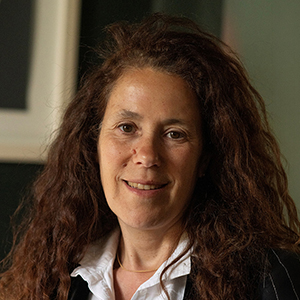
If you would like advice on making or updating a will, please contact Private Client partner Charlotte Pollard.
For further information please contact: